First-time visitors to Pakistan consistently say the same thing when they leave: it was nothing like what I expected, and completely better. Here is what to actually prepare yourself for.
The Hospitality Will Surprise You
This is the single most consistent thing every visitor reports. Pakistani hospitality — particularly in the northern mountain communities — is not a tourist performance, it is a genuine cultural value. You will be offered chai you did not ask for. You will be invited into homes. Local people will want to talk to you, take photographs with you and know where you are from. After a day or two it stops feeling strange and starts feeling wonderful.
The Pashtun concept of melmastia (hospitality to guests) and the broader Islamic duty of treating visitors well are woven into daily life in ways that most Western visitors find profoundly refreshing after experiences in more commercially touristy destinations.
The Roads Are an Experience in Themselves
Northern Pakistan's mountain roads are not smooth. The Karakoram Highway has sections of excellent tarmac and sections that are essentially gravel tracks on the edge of gorges. The jeep track to Fairy Meadows is deliberately not described in advance because nothing we say prepares you adequately — it is thrilling, dramatic and completely safe in the hands of local drivers who know it intimately.
Long driving days are a feature of Pakistan travel, not a bug. The KKH from Lahore to Gilgit takes a full day plus an overnight. But the scenery through the Indus gorge, the Hazara hills and the Karakoram approaches is so relentlessly extraordinary that the drive itself becomes a highlight.
The Food
Pakistani food in the north is simpler than what you find in Lahore or Karachi — expect dal, rice, chapati, omelettes, fresh bread and chai as the staples in mountain guesthouses. The quality varies but it is almost always good and always fresh. Lahore itself has one of the finest food cultures in Asia — the street food on Gawalmandi Food Street alone is worth a trip.
Vegetarians are well catered for everywhere. Vegans have more of a challenge in rural areas but we can always arrange suitable meals with advance notice. There is no alcohol available in Pakistan — this is a Muslim country and alcohol is not served anywhere on a standard tour. Most visitors find this a complete non-issue after the first day.
⚠ Stomach Adjustment
Some visitors experience mild stomach issues in the first day or two as their gut adjusts to new food and water. Drink bottled or filtered water, avoid raw salads in rural areas and carry basic stomach medication just in case. Most people have no issues at all.
Connectivity and Signal
Mobile signal is good in Lahore, Islamabad and the main towns. It becomes patchy and then non-existent as you head into the mountains. Fairy Meadows has essentially no signal. The upper Baltoro Glacier has no signal at all. This is part of the experience — genuine disconnection — but plan accordingly. Download your offline maps, tell family your itinerary in advance and enjoy the rare experience of being truly off-grid.
Most guesthouses and hotels in Hunza, Skardu and Gilgit have WiFi of varying quality. Do not rely on it for critical communications.
ATMs and Cash
Lahore and Islamabad have plenty of ATMs and most hotels accept cards. Once you head north, cash is king. Gilgit has ATMs. Skardu has ATMs. Hunza's Karimabad has a couple. Beyond that, assume cash only. We always advise clients to withdraw enough Pakistani Rupees in Islamabad or Lahore to cover the northern leg of their trip including tips, personal shopping and contingencies.
Dress Code
Pakistan is a conservative Muslim country and modest dress is respectful and expected — especially in rural areas, religious sites and small communities. For men this means no shorts in public. For women this means covered shoulders, arms and legs. In practice, most visitors find this very easy to accommodate and several of our female clients buy a simple salwar kameez in Lahore on arrival — it is comfortable, local, appropriate and costs almost nothing.
Photography
Pakistan is one of the most photogenic countries on Earth. People are generally happy to be photographed — especially in the north — but always ask first and accept a no gracefully. Military installations, border posts, airports and government buildings should not be photographed. In mountain villages, photograph freely but be human about it — put the camera down sometimes and just talk to people.
The Moments That Stay With You
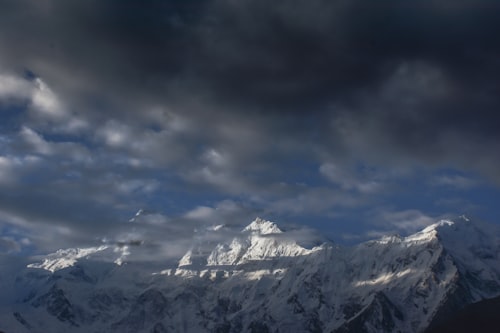
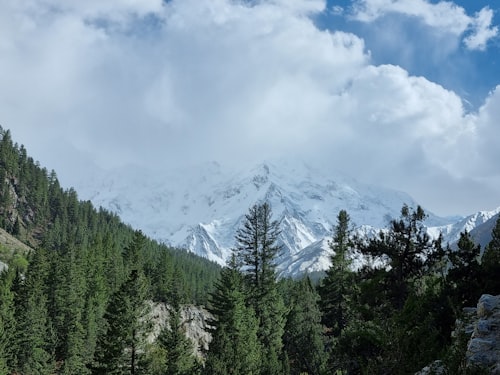
Every first-time visitor to Pakistan has a moment — usually somewhere they did not expect — that resets their entire picture of the country. For some it is Rakaposhi appearing around a corner on the KKH. For others it is being invited into a home in a Kalash village. For others it is the silence on the Baltoro Glacier with K2 in full view. For others it is simply sitting on a rooftop in Lahore eating food that is unlike anything they have tasted before.
We cannot tell you when your moment will be. But it will come. And you will understand then why everyone who visits Pakistan says the same thing when they leave.
💡 First Time Tip
Build more time into your itinerary than you think you need. Pakistan has a way of making you want to stay longer. The travellers who leave with the most regret are always the ones who booked too short a trip.
💬 Plan Your Trip
Questions about any Pakistan destination? Ahmad replies within 2 hours.
Chat on WhatsApp