Pakistan consistently ranks among the most positively surprising countries for first-time visitors. Travellers who arrive cautious almost always leave converted. This guide covers everything you actually need to know before you land.
Visa & Entry
Pakistan has made it significantly easier for foreign tourists to visit in recent years. Most Western nationalities can apply for an e-visa online through the official Government of Pakistan visa portal. The process is straightforward and usually takes 5–10 working days. Citizens of many Middle Eastern and some Asian countries can obtain a visa on arrival at Islamabad International Airport.
For restricted trekking zones such as K2 Base Camp and Concordia, a separate trekking permit and special visa class are required. We handle all of this paperwork as part of your tour package.
💡 Tip
Apply for your visa at least 3–4 weeks before travel. WhatsApp us your nationality and travel dates and we will advise on exactly what you need and can provide a support letter if helpful.
Safety & Security
The question every first-time visitor asks. The honest answer: Northern Pakistan, the region covering Gilgit-Baltistan, Hunza, Skardu and Azad Kashmir, is genuinely safe for tourists and has been for many years. The major cities of Lahore and Islamabad are also well-suited to visitors.
The areas you will likely visit — Hunza, Skardu, Fairy Meadows, Neelum Valley — have strong track records for visitor safety and communities that are genuinely welcoming to foreign guests. We would not operate tours here if that were not the case.
- Register with your country's embassy or travel advisory service before departure
- Check current Foreign Office or State Department travel advisories for specific areas
- Travel with a reputable local guide (which we provide on every tour)
- Share your itinerary with someone at home
- Purchase comprehensive travel insurance including emergency evacuation cover
Money & Currency
Pakistan's currency is the Pakistani Rupee (PKR). As of 2026, exchange rates mean Pakistan is excellent value for most Western visitors — accommodation, food and transport cost a fraction of comparable quality in Europe or North America.
- ATMs are available in Islamabad, Gilgit and Skardu but become scarce in smaller towns and valleys
- Carry sufficient Pakistani Rupees in cash before leaving Islamabad or Skardu for remote areas
- Major hotels and some restaurants in Islamabad accept credit cards but most of the north is cash-only
- Currency exchange is available at Islamabad airport and in major cities
Getting a SIM Card
A local SIM is genuinely useful and easy to get. Jazz, Zong and Telenor all sell tourist SIMs at Islamabad Airport arrivals. You will need your passport. Mobile coverage is good in Islamabad, Gilgit and Hunza town, patchy in Skardu and essentially non-existent in Fairy Meadows, Deosai and remote valleys. Download offline maps before heading into the mountains.
Health & Altitude
Northern Pakistan reaches serious altitudes. Fairy Meadows is at 3,300m, Deosai at 4,114m, Khunjerab Pass at 4,693m and K2 Base Camp at 5,150m. Altitude sickness is a real risk if you ascend too quickly. Key principles:
- Ascend gradually and rest on arrival at high altitudes
- Drink plenty of water — at least 3–4 litres per day at altitude
- Avoid alcohol at altitude
- Consider Diamox (acetazolamide) if you are prone to altitude sickness — consult your doctor
- Descend immediately if symptoms are severe (headache, confusion, loss of coordination)
Standard travel vaccinations (hepatitis A and B, typhoid) are recommended. Consult a travel health clinic 4–6 weeks before departure.
Cultural Etiquette
Pakistan is a predominantly Muslim country with strong cultural traditions that vary by region. A few basics that will serve you well everywhere:
- Dress modestly, particularly outside of tourist hotels. For women, covering shoulders and knees is respectful; a scarf for the head is appreciated in mosques and traditional areas
- Remove shoes before entering mosques and many homes
- Ask permission before photographing people, particularly women
- Accept hospitality graciously — declining tea is sometimes considered rude
- Greet with “Assalamu Alaikum” — it is appreciated everywhere and opens doors
- During Ramadan, eat and drink discreetly in public during daylight hours
Food & Water
Pakistani cuisine is exceptional and underrated internationally. In the north, expect dal, chapati, rice dishes, fresh vegetables and an enormous amount of meat. Hunza is famous for its apricots — fresh, dried and in jam form. Skardu's local Balti cuisine is rich and warming. Street food is generally excellent.
Drink bottled or filtered water only. Do not drink tap water anywhere. Most hotels and guesthouses provide bottled water. On treks, we carry filtered water.
What Will Genuinely Surprise You
- How warm and hospitable people are — genuine curiosity and welcome, not tourism-industry politeness
- How good the food is — particularly in local homes and small guesthouses
- How well-maintained many of the tourist facilities are in Hunza and Skardu
- How safe it feels day-to-day compared to expectations
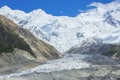
- The scale of the scenery — photographs do not prepare you for how large the mountains actually are
Any questions at all — WhatsApp Ahmad directly. We have answered every question imaginable from first-time visitors and are happy to help.
📖 Related Articles